
Underground utility strikes remain one of the most common and most preventable incidents on UK construction and infrastructure sites. A single strike can shut down a site for days, injure or kill an operative, cut services to thousands of homes, and end in significant financial penalties and reputational damage. As a site manager, you are the person best placed to make sure your team follows the right procedures every time they break ground.
Why strikes still happen
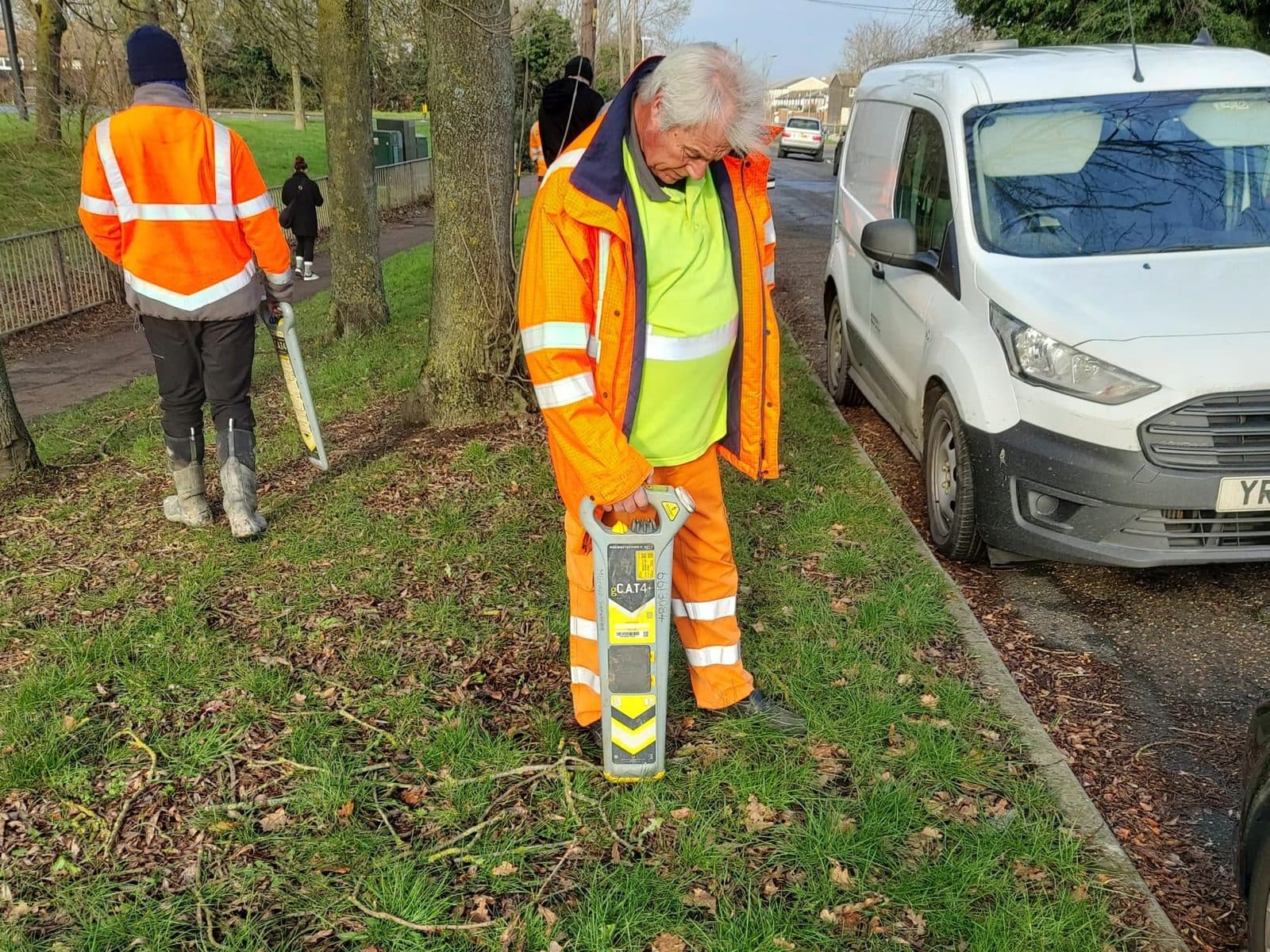
The technology exists to locate most underground services before excavation begins. A Genny and CAT is standard issue on almost every site. Yet strikes continue to happen, and the root causes are almost always human rather than technical.
- 01Poor pre-dig survey technique.
- 02Time pressure overriding safe working procedures.
- 03Lack of training, or training that has expired.
- 04Failure to consult service plans before starting work.
You cannot control every swing of every excavator bucket. But you can control the systems, culture, and checks that make it far less likely anyone digs without surveying properly.
Before any excavation starts
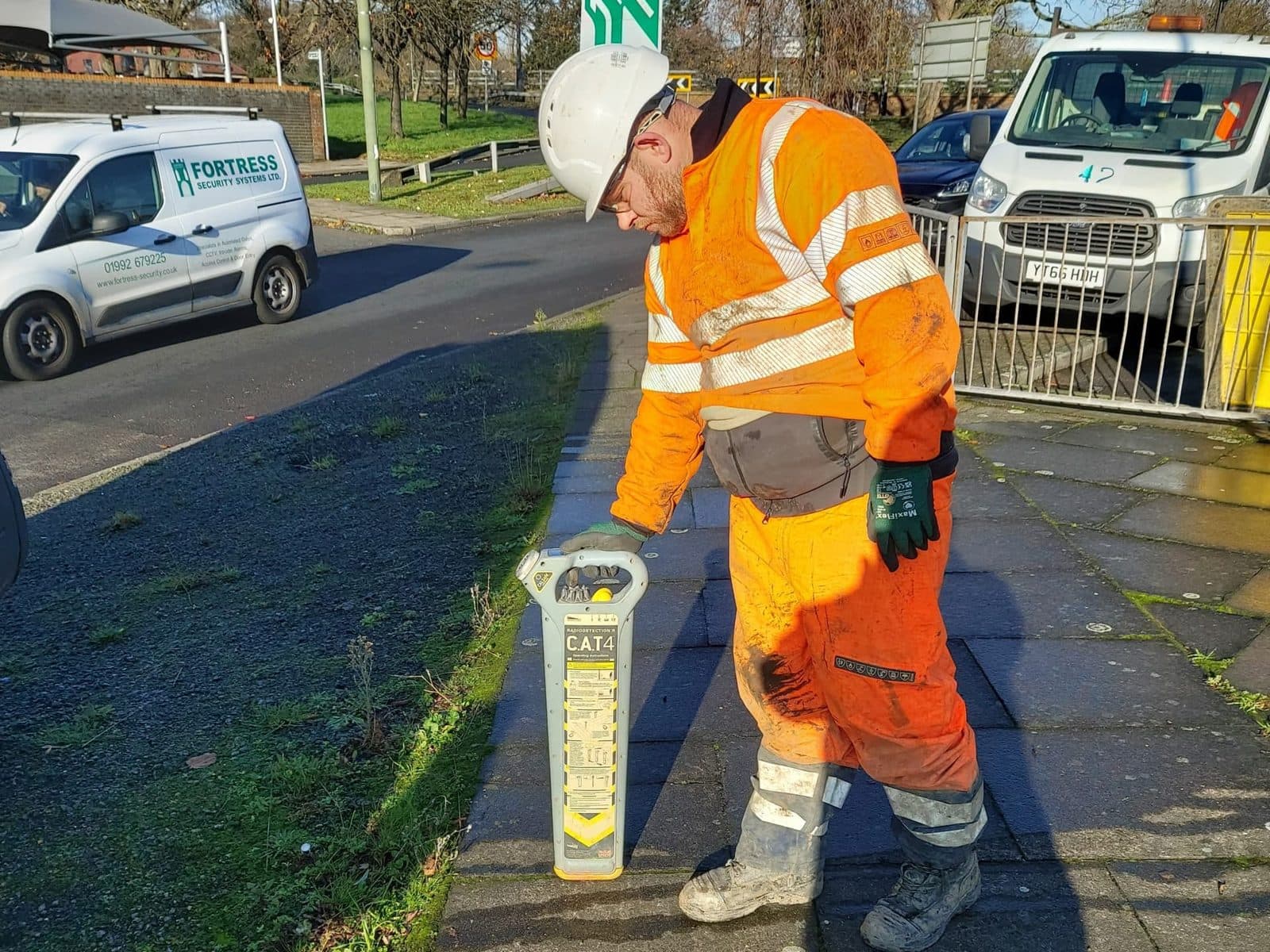
Every excavation on your site should follow a consistent pre-dig procedure. This is not optional, and it is not something that can be skipped when the programme is under pressure. The basics are straightforward: obtain up-to-date service plans from all relevant utility companies, ensure the operative carrying out the survey holds a current cable avoidance qualification, EUSR CAT1 or ProQual CAT1 as a minimum, and confirm they have the right equipment and know how to use it in all four locating modes.
Service plans should be on site before digging begins. They are not a formality. Plans show the approximate routes of buried services, and while they are never perfectly accurate, they give the operative a starting point for the scan. An operative working without plans is working blind.
Training is not a tick-box exercise
Holding a current card is the minimum. It confirms the operative passed a course; it does not confirm what they are doing on site today. Competency can drift a long way over the three-year life of an EUSR or ProQual card, particularly if the operative does not use the equipment regularly or has picked up shortcuts from colleagues.
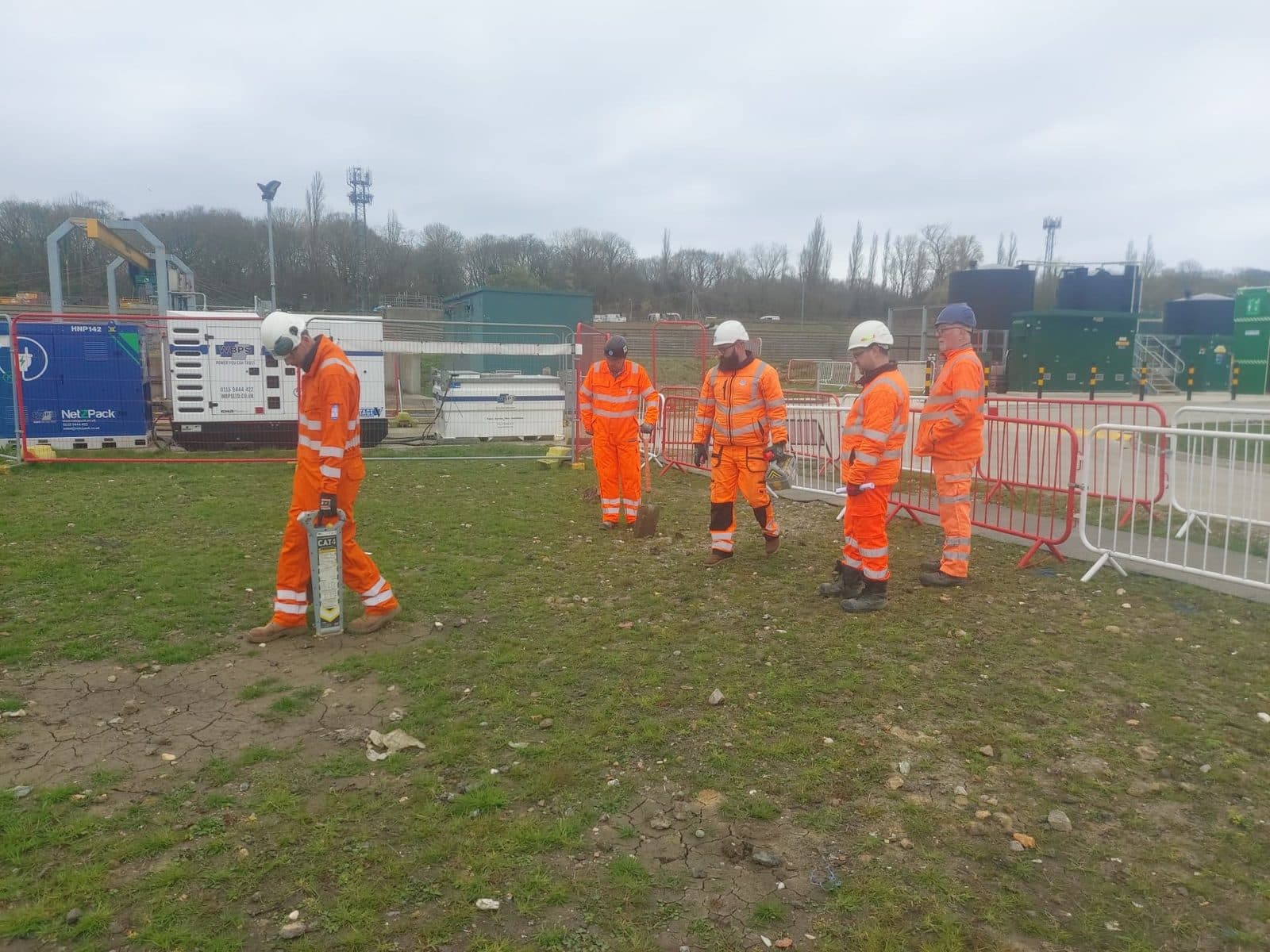
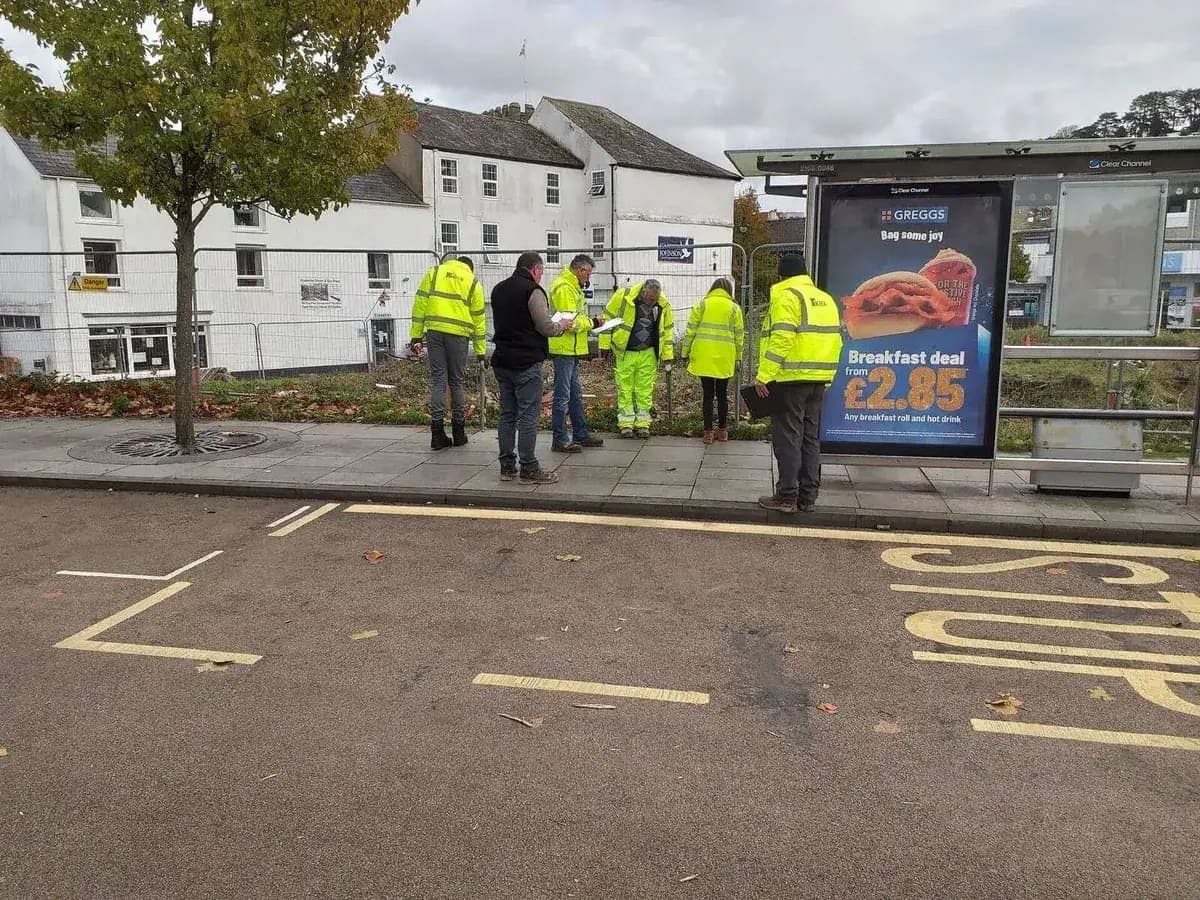
Watch how operatives actually carry out their surveys, not just whether the card is in date. Are they connecting the Genny first? Are they scanning in all four modes? Are they marking out what they find? If the answer to any of these is no, the training has not translated into practice and you have a gap that needs closing.
OSCA, on-site competency assessment, is designed for exactly this problem. It provides a GPS-stamped, independent assessment of what your operatives are actually doing in the field, not just what they demonstrated in a training centre.
Supervision and culture
The biggest single risk factor for utility strikes is time pressure. When the programme is tight, corners get cut, and the pre-dig survey is the first thing to suffer because it is the easiest thing to skip. Nobody sees you skip it until something goes wrong.
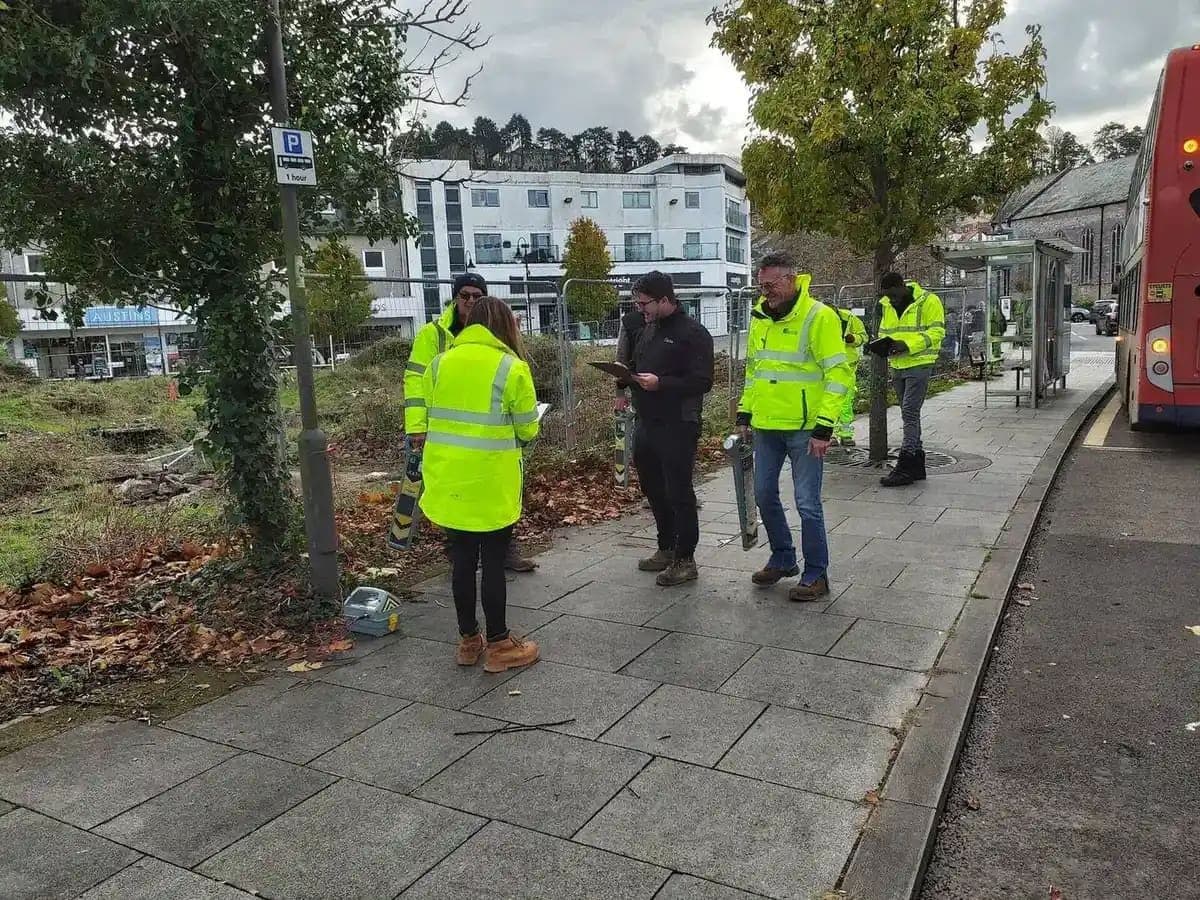
Your job is to make it clear the survey is non-negotiable. That means building survey time into the programme rather than treating it as something that happens on top of productive work. It means calling out shortcuts when you see them, even when the team is behind schedule. And it means creating a culture where an operative can stop and say they need to scan properly without being told to hurry up.
Equipment checks
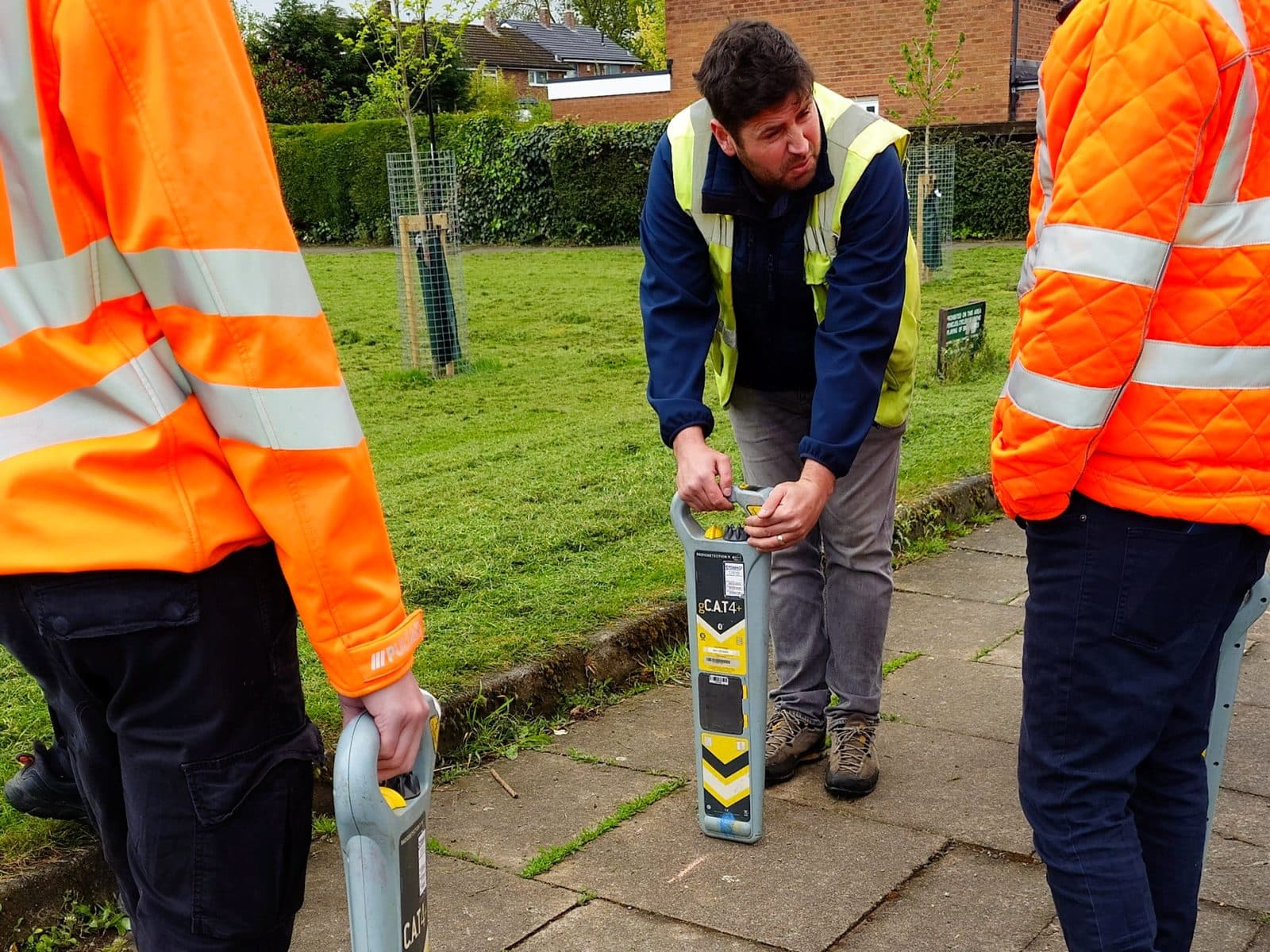
Cable avoidance tools need to be in good working order. A CAT with a flat battery, a damaged Genny, or a unit that has not been calibrated is not fit for purpose. Equipment should be checked before use each day, and faults reported and dealt with, not worked around.
When things go wrong
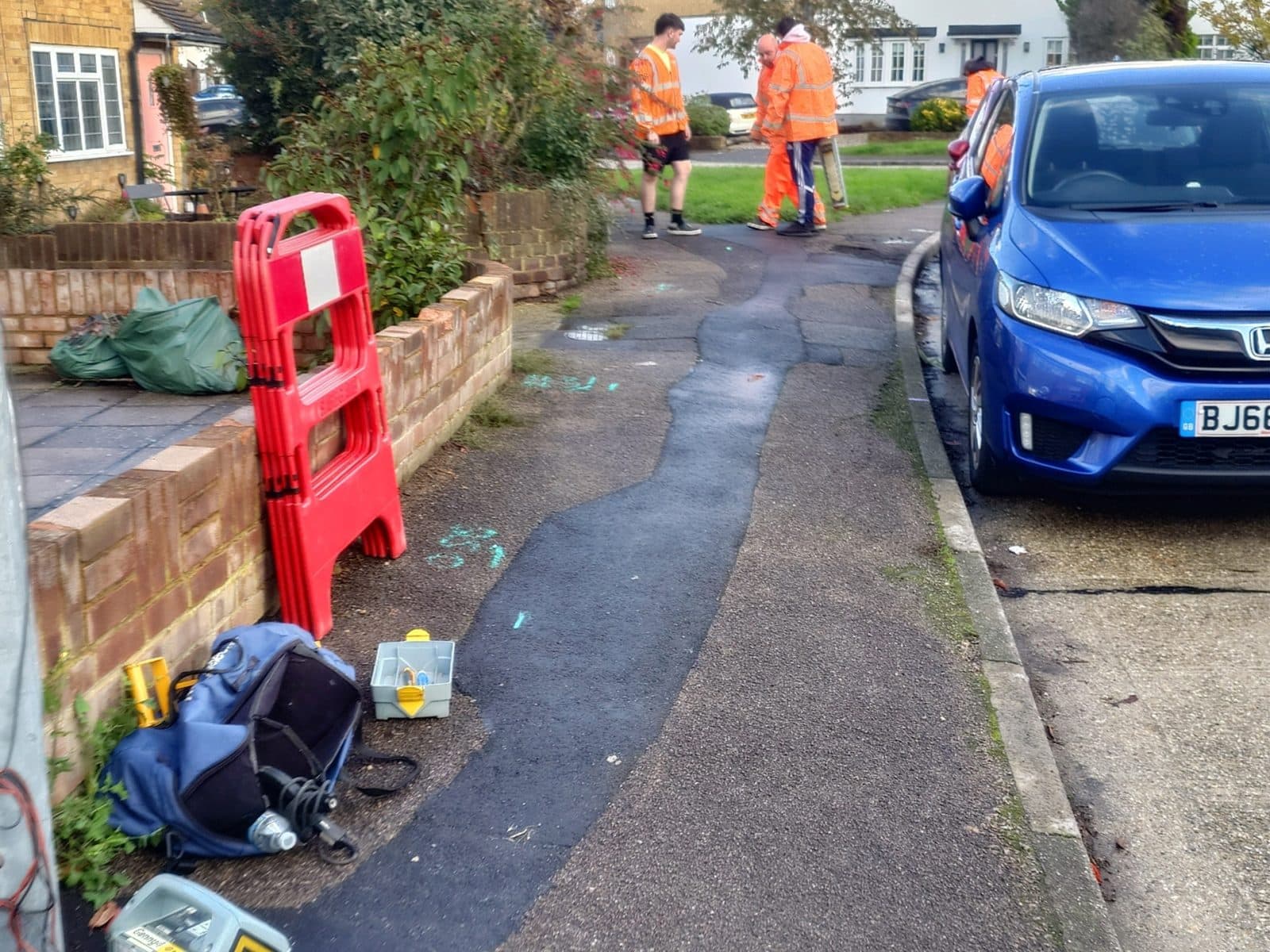
If a strike does happen, the priority is safety. Stop all work in the affected area immediately. If there is any possibility of a gas leak, exposed live electricity, or a ruptured water main, evacuate the area and call the emergency services. Do not attempt to repair the damage or re-energise anything.
Once the immediate danger is dealt with, report the incident to the relevant network operator and your principal contractor. Preserve the scene and the evidence: the service plans that were in use, the equipment settings, and the identity of the operative and supervisor. The investigation needs all of it, and so does your understanding of what went wrong.
Building strike prevention into your site
The most effective approach is not a single intervention but a combination: properly trained operatives, current service plans, working equipment, visible supervision, and a culture that prioritises doing it right over doing it fast. None of these is complicated. All of them require consistent effort from site management.
To go further, consider bespoke training tailored to your specific site risks, or an OSCA assessment to get an independent picture of your team's real-world competency.
Questions site managers ask
- 01What is the most common cause of utility strikes? Failure to carry out a proper pre-excavation survey. In most cases the operative either did not use a locator at all, used it incorrectly, or did not follow the correct sequence of modes. Training and on-site supervision are the most effective controls.
- 02Do all site operatives need cable avoidance training? Anyone who excavates or breaks ground near underground services should hold a current qualification such as EUSR CAT1 or ProQual CAT1. Even those not digging should understand the risks if they work near excavation.
- 03How often should training be renewed? EUSR CAT1 accreditation is valid for three years, but competency can drift well before the card expires. Regular on-site checks or OSCA assessments between renewals catch bad habits early.
- 04What should I do if a strike occurs on my site? Stop work immediately. Evacuate if there is any risk from gas, electricity or water. Contact the network operator and your principal contractor. Do not attempt repairs. Record the incident and preserve the scene for investigation.
Rewritten for the Bureau from the original. Method drawn from Sygma’s own training material.