

Adopt the routine, mandatory use of voltsticks, non-contact voltage detectors, for all work on or around electrically connected street furniture. This small investment significantly improves workforce safety, reduces the risk of electric-shock incidents, supports legal compliance and strengthens a proactive safety culture. A simple check today can prevent a life-changing incident tomorrow.
The risk
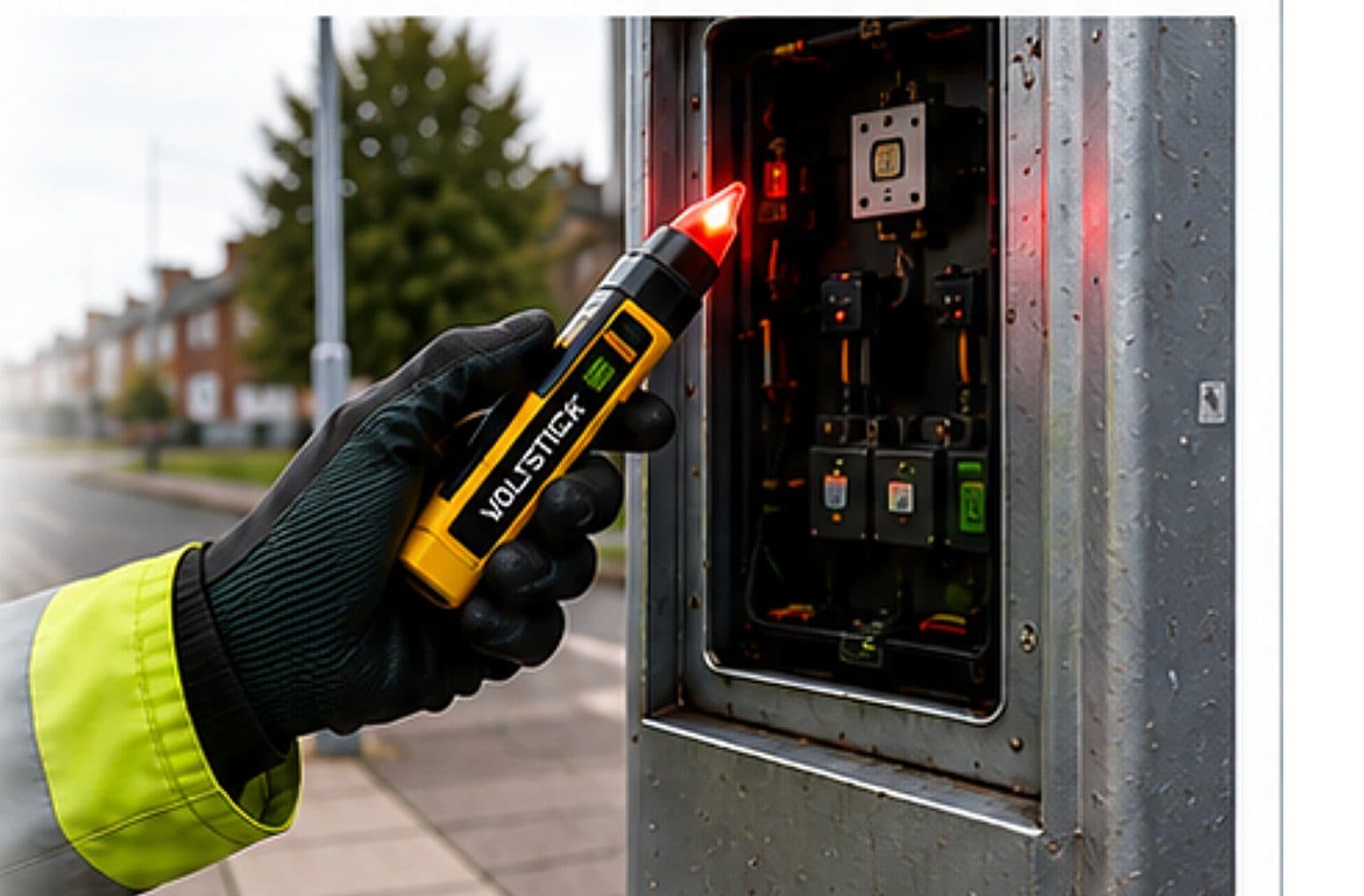
Lighting columns, traffic signals, feeder pillars, EV charging points and illuminated signs can become live through faults, damaged cables, water ingress or incorrect installations. The equipment looks exactly the same whether it is safe or live.
The solution
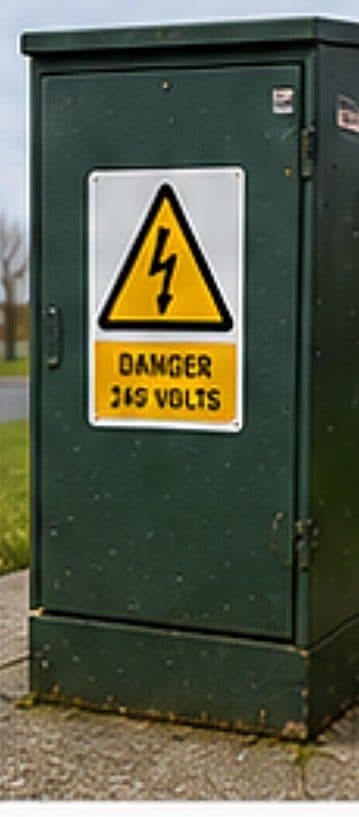
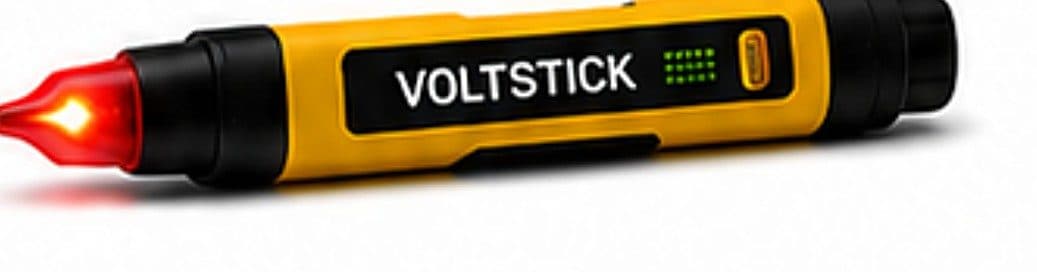
Adopt the routine use of voltsticks as a standard pre-contact safety check on all electrically connected street furniture. A simple, quick and effective check that identifies the possible presence of voltage before anyone touches the equipment. No tools, no isolation, no delay: present the voltstick, read the result, then touch.
What it buys you
- 01Improved safety. Reduces the risk of electric shock, burns and serious injury. Protects your people, contractors and the public.
- 02Risk reduction. Identifies potentially live equipment before contact, and cuts exposure to hidden electrical faults.
- 03Legal and regulatory compliance. Supports compliance with the Health and Safety at Work Act 1974 and the Electricity at Work Regulations 1989, and demonstrates reasonably practicable steps to protect your workforce.
- 04Financial benefit. A low-cost investment with high impact: fewer accidents, claims, downtime and reputational hits.
- 05Culture and reputation. Reinforces a test-before-touch culture and shows a visible commitment to working safely.
The cost
Voltsticks are an affordable, low-cost piece of equipment. Estimated investment is £15 to £20 per unit depending on specification and supplier.
Putting it into practice
- 01Procure. Provide approved voltsticks for all relevant team members.
- 02Train. Practical training on correct use, limitations and daily function testing.
- 03Implement. Make the voltstick check mandatory before any physical contact.
- 04Monitor. Supervisors check compliance through site inspections and safety audits.
- 05Review. Regularly review process effectiveness and incident data.
The bottom line
Adopting voltsticks is a simple, effective and cost-efficient measure that improves safety, reduces risk and supports legal obligations. Approve the mandatory use of voltsticks for all work on or around electrically connected street furniture, and build the requirement into your Safe Systems of Work, RAMS and training programmes.
A proactive check today. A safe tomorrow. Test before touch: protect people, prevent harm.
Rewritten for the Bureau from the original. Method drawn from Sygma’s own training material.