

Watch cable avoidance practice on construction sites across the UK and you will see the same pattern on most of them. The operative takes a CAT from the van, switches it on, walks the area in Power mode and Radio mode, marks a few lines on the ground, and puts the locator away. The Genny stays in the van, still in its case, unused.
This approach is so widespread that many operatives consider it the standard workflow. It is not. It is an incomplete survey that leaves a significant proportion of buried services undetected. The Genny is not optional equipment, and it is not a backup tool for difficult sites. It is a fundamental part of the locating process, and it should be the starting point, not the afterthought.
What passive detection actually detects
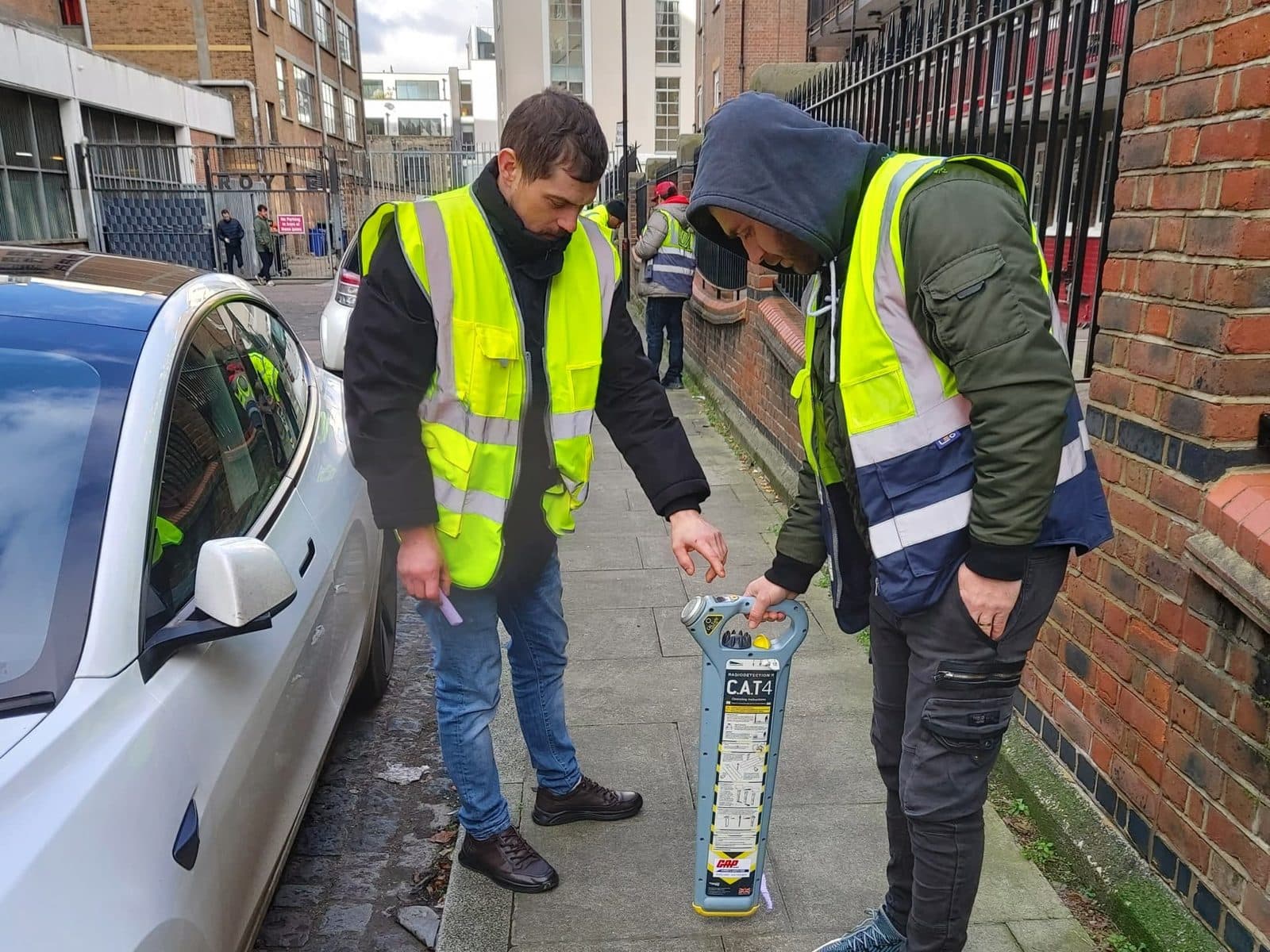
A CAT in Power mode detects electromagnetic fields radiating from live electricity cables. This is useful, but it only finds cables that are carrying load at the time of the survey. An electricity cable that is connected but not in use, or one carrying a balanced three-phase load, may produce little or no detectable signal.
Radio mode detects very low frequency radio signals that couple onto metallic conductors from long-wave radio transmitters. These signals can travel along metal pipes and cables, making them detectable. But the strength of the re-radiated signal depends on the length of the conductor, its depth, the soil conditions, and its proximity to other metallic services. Plastic pipes, fibre optic cables, and short sections of metallic service will often produce no response in Radio mode at all.
What the manufacturers say
This is not a point Sygma is making in isolation. The manufacturer documentation backs it up. The Radiodetection ABC book states that despite passive signals existing, the best signal to trace is an active signal that has been deliberately applied. The C-Scope manual advises that most buried metallic services not found in Radio mode should be detected using a generator. A Leica article suggests that passive-only detection could miss up to 60% of buried utilities. Based on Sygma's own training data, the real-world figure may be closer to 70 to 80%.
These are not fringe opinions. They are in the documentation that ships with the equipment. The case for Genny first is not something Sygma invented. It is the conclusion that follows from reading what the manufacturers have been saying all along.
What the Genny does differently
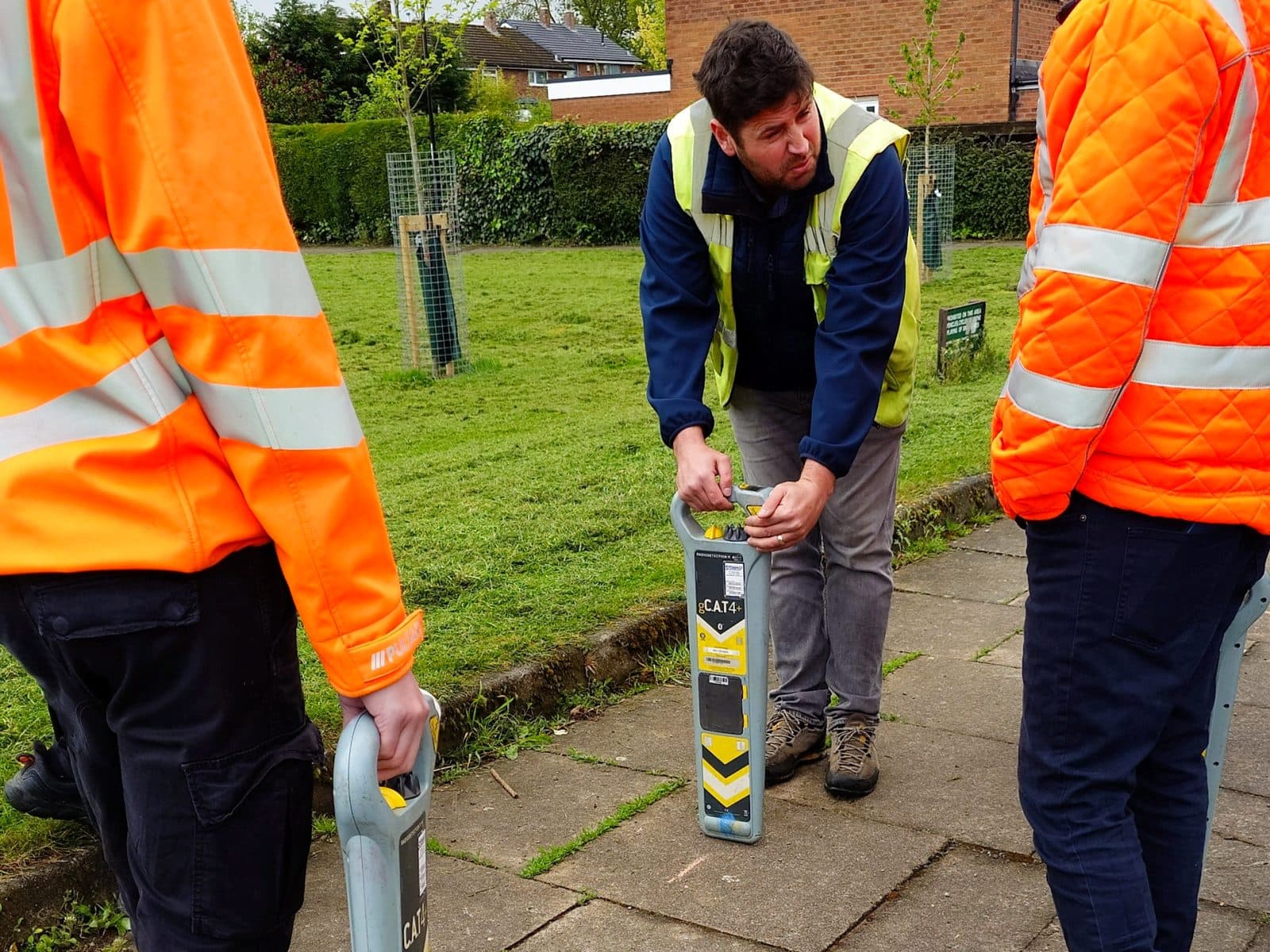
The Genny applies a known signal at a specific frequency onto a target service. The CAT then detects that known signal in Genny mode. Because you are applying the signal yourself rather than relying on whatever happens to be present, you control what gets detected. You can target specific services, put signals onto non-metallic ducts, and work systematically through each service in the area.
There are five signal application methods, each suited to different situations.
- 01Direct connection attaches the signal lead straight onto a metallic service or tracer wire. The strongest and most targeted signal there is.
- 02Clamp places a signal clamp around a cable or pipe without disconnecting anything, safe on live services.
- 03Capacitance couples a signal onto a non-metallic duct through its outer wall.
- 04Induction radiates a signal into the ground from a distance. It can couple onto nearby services, though with less precision.
- 05Nulling out eliminates a known signal from one service so an adjacent service becomes easier to detect.
Why Genny first, not Genny second
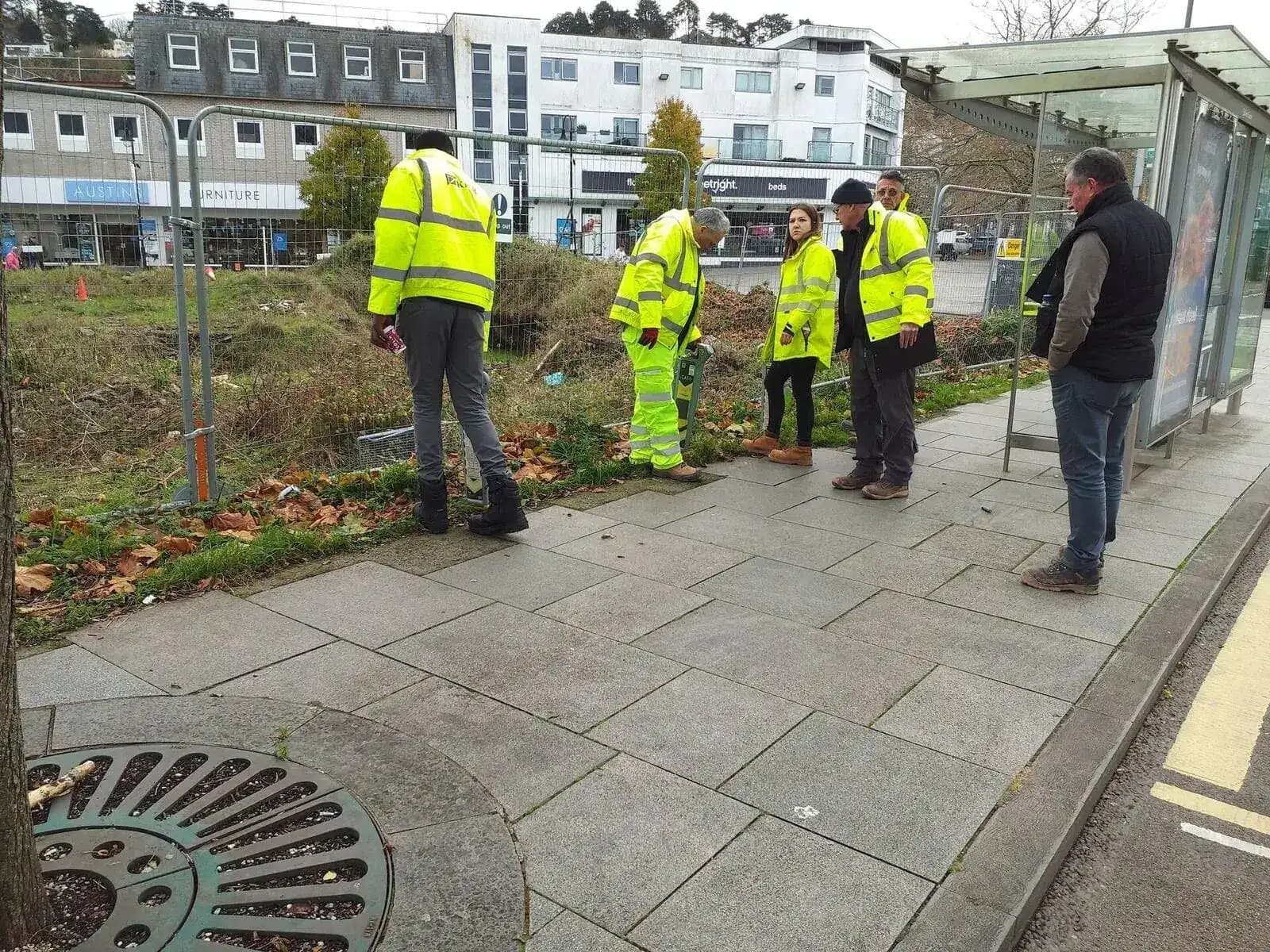
The conventional approach taught by many providers is to scan in passive modes first and then use the Genny if needed. The problem with this sequence is what happens on a real job. Once an operative has completed a passive scan and believes the area is clear, the motivation to then set up and use the Genny drops away. In practice, it rarely happens.
Sygma's Genny-first methodology reverses this. The operative starts by applying a Genny signal to a known service, locates it, and then moves systematically through the area applying signals to each service point. Passive modes are used afterwards, to identify any additional services that were not targeted with the Genny. This ensures the Genny is always used, and it positions passive detection as a supplementary check rather than the primary method.
What about avoidance mode?
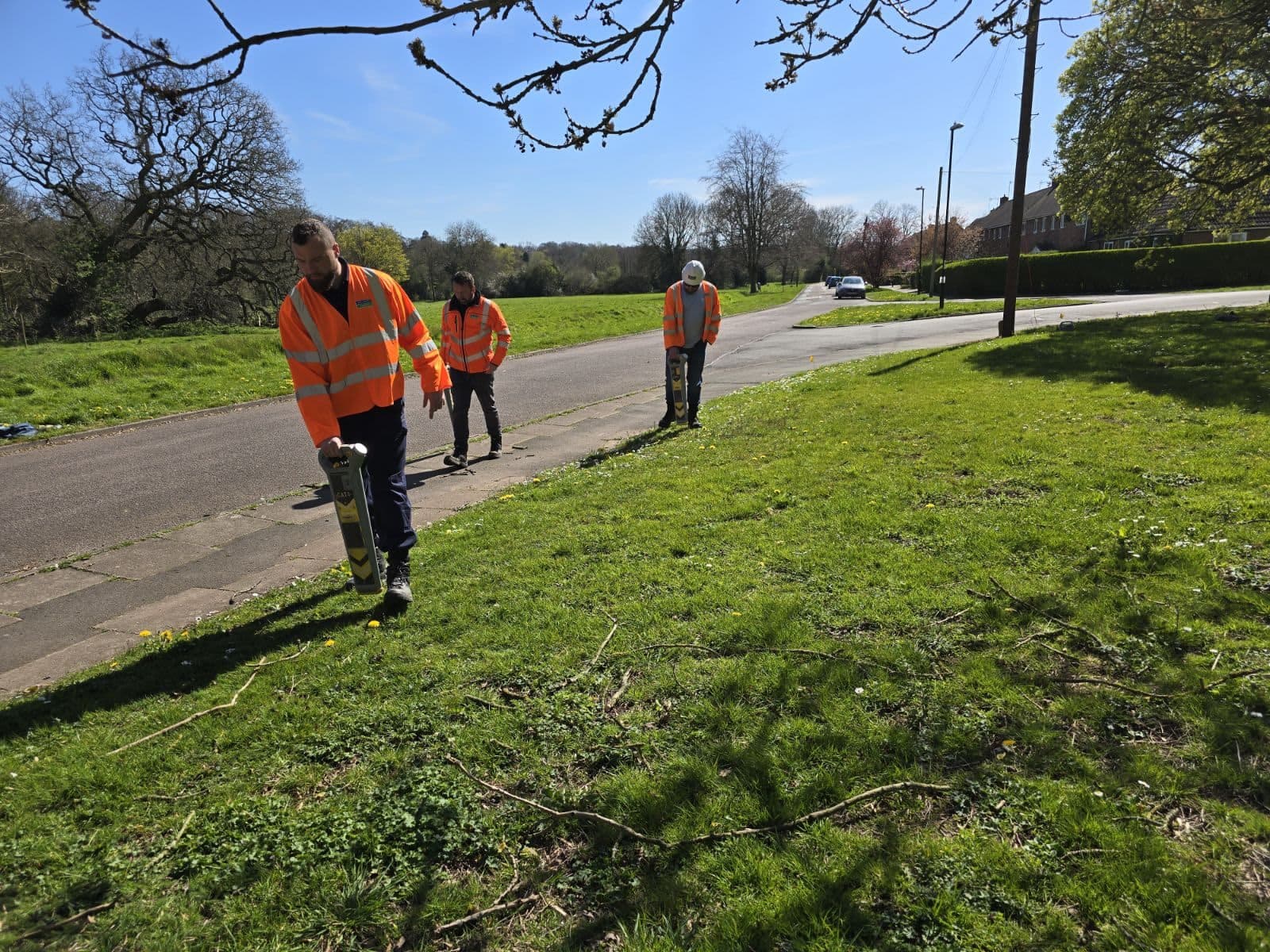
Newer CAT locators include an avoidance or all-scan mode that appears to detect in Power, Radio, and Genny modes simultaneously. Some operatives and site procedures use an initial avoidance sweep in place of working through the individual modes. It is worth being clear about what avoidance mode actually does.
The numbers
Organisations that have sent their operatives through Sygma's training programmes and adopted the Genny-first methodology consistently report a 70 to 80% increase in Genny usage rates. This is not a marginal improvement. For a workforce that was previously leaving the Genny in the van on the majority of jobs, it represents a fundamental shift in how pre-excavation surveys are carried out.
The corresponding effect on strike rates varies by organisation and sector, but the direction is consistent: more Genny usage means more services identified before excavation, which means fewer surprises when the ground is opened.
What to look for in training
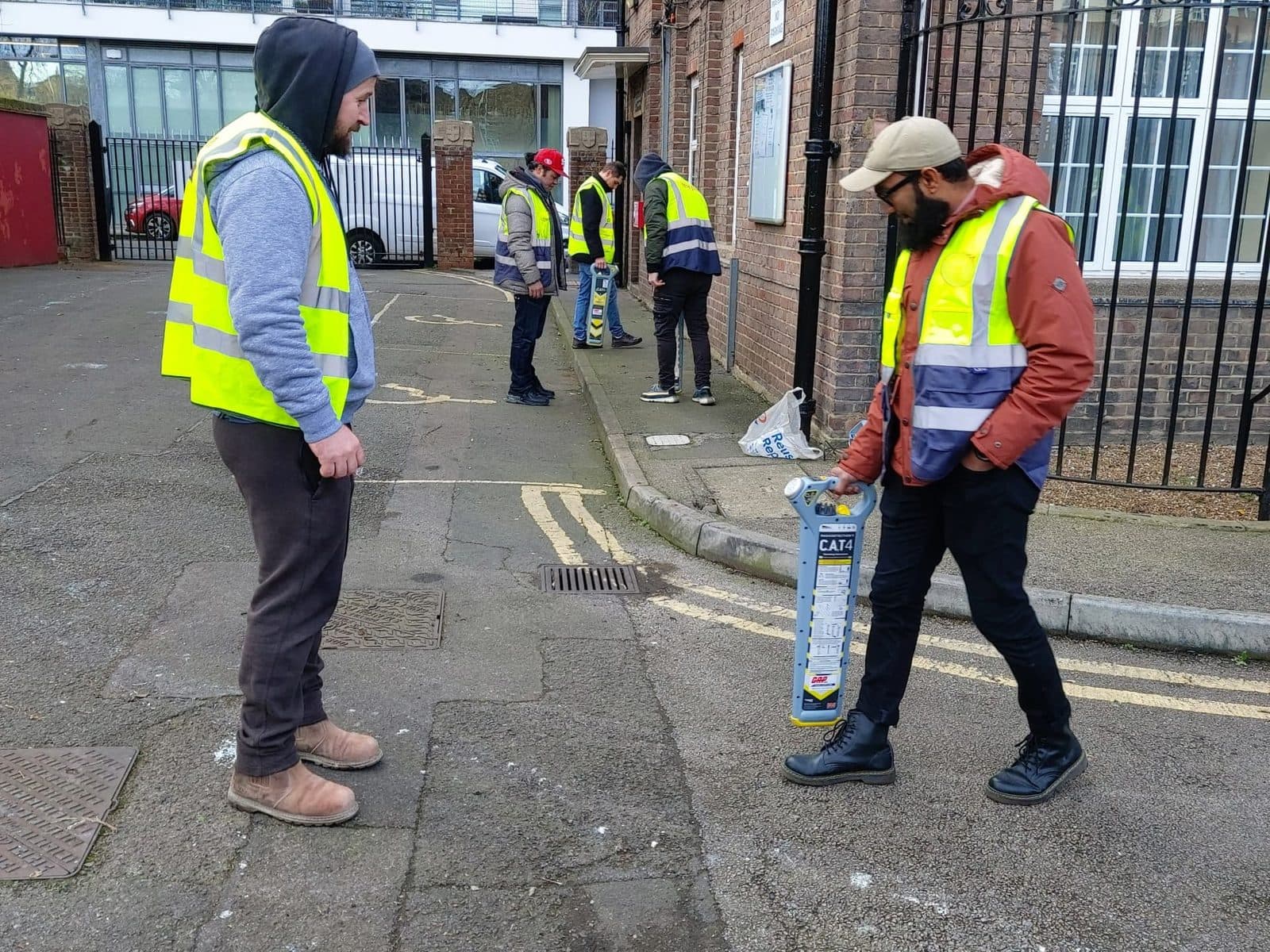
If your operatives are not routinely using the Genny on every job, the issue is almost certainly one of training rather than equipment. A course that spends thirty minutes demonstrating the Genny at the end of the day will not change behaviour. What changes behaviour is structured, hands-on practice with all five signal application methods, realistic scenarios that demonstrate why passive-only surveying fails, and assessment criteria that require Genny competence to pass.
Rewritten for the Bureau from the original. Method drawn from Sygma’s own training material.